Why Antifreeze Matters Year-Round: What Every Driver in Spring, TX Should Know
At Lighthouse Automotive Solutions and Lighthouse Performance and Restoration, we believe in empowering our customers with the knowledge they need to make smart decisions about vehicle care. One of the most overlooked but critical components of your car’s engine system is antifreeze.
You might associate antifreeze with winter driving, but its role goes far beyond just preventing freezing. Especially in Spring, TX—where temperatures can swing from one extreme to another—understanding how antifreeze works and why it matters year-round can save you from costly repairs and unexpected breakdowns.
Let’s take a deep dive into what antifreeze really does, how to maintain it, and when to get it checked or flushed.
What Is Antifreeze and Why Does It Matter?
Antifreeze, also known as coolant, is a specially formulated fluid that regulates your engine’s temperature. It prevents the engine from overheating in high temperatures and from freezing in cold conditions. Without it, your engine would be at risk for major damage.
In a place like Spring, TX, we deal with extended periods of heat and humidity, which puts extra strain on your vehicle’s cooling system. At Lighthouse Automotive Solutions and Lighthouse Performance and Restoration, we regularly see issues caused by neglecting antifreeze maintenance—especially during the warmer months.
Key Functions of Antifreeze:
- Prevents overheating
- Protects against freezing
- Inhibits corrosion and rust in the cooling system
- Lubricates internal parts like the water pump
Signs Your Vehicle May Need a Coolant Flush
Coolant doesn’t last forever. Over time, it becomes contaminated with debris, loses effectiveness, and can even turn acidic, leading to corrosion. Watch out for these signs that your antifreeze may need to be replaced:
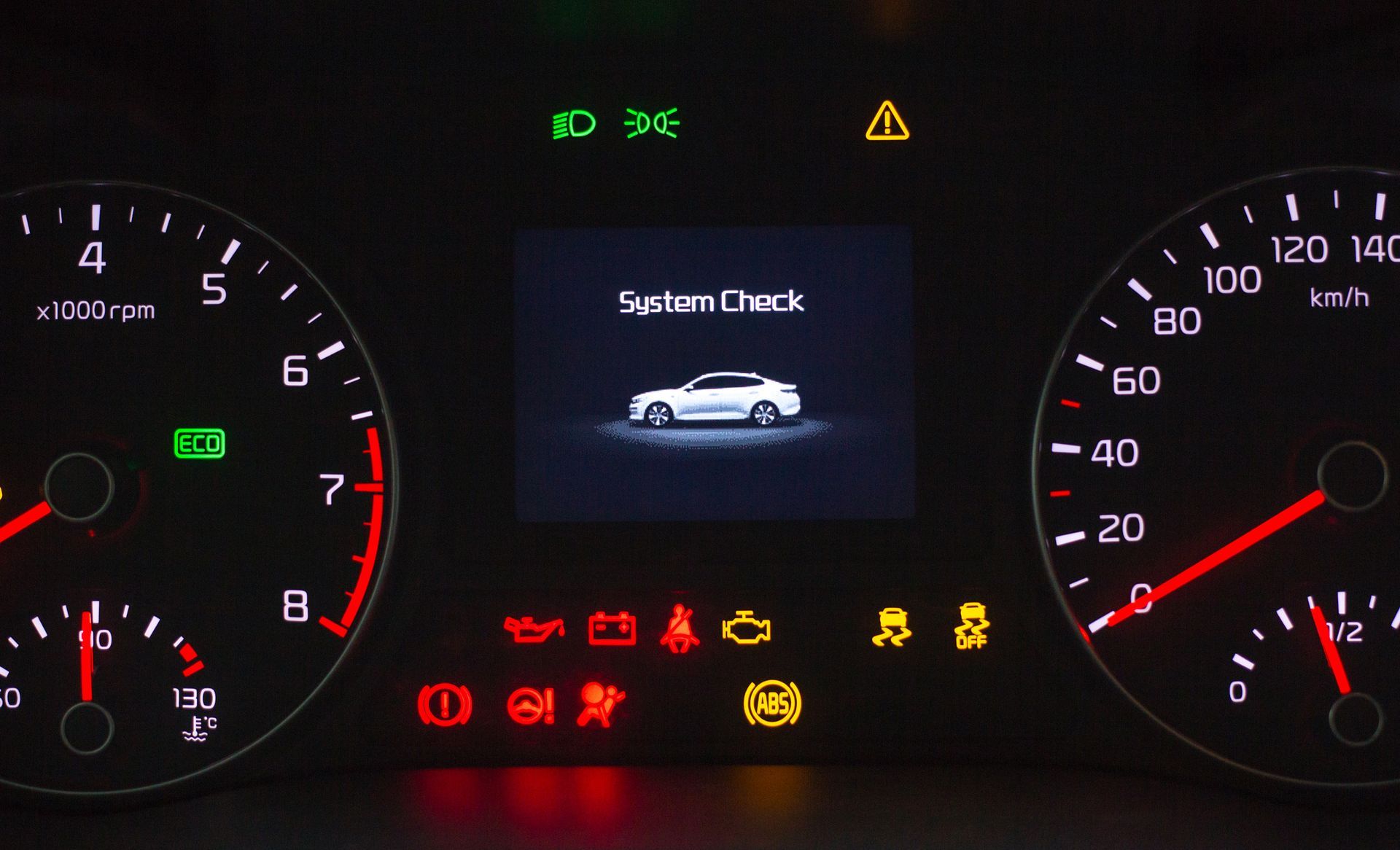
- The temperature gauge consistently reads hot
- A sweet smell (ethylene glycol) coming from under the hood
- Visible rust or scaling in the coolant reservoir
- Coolant leaks (often neon green, orange, or pink fluid under your car)
- Steam or overheating while driving
If you’ve noticed any of these symptoms while driving around Spring, TX, it’s time to let our ASE-certified technicians at Lighthouse Automotive Solutions and Lighthouse Performance and Restoration perform a full coolant system inspection.
How Often Should You Change Antifreeze?
There’s no one-size-fits-all answer here. It depends on your vehicle’s make, model, and the type of coolant used. As a general guideline:
- Traditional green coolant (in older vehicles): change every 2 years or 30,000 miles
- Extended-life coolants (common in newer cars): change every 5 years or 100,000 miles
When in doubt, refer to your vehicle’s owner’s manual—or better yet, swing by our Spring, TX shop, and we’ll check your levels and condition at no charge.
Antifreeze and Engine Performance in Hot Weather
Summer heat is no joke in Texas. When your engine is running hard in high temps—especially in stop-and-go traffic or long commutes—your cooling system is working overtime.
Antifreeze is the front-line defense against overheating, which can warp cylinder heads, crack engine blocks, and damage head gaskets. At Lighthouse Performance and Restoration, we’ve repaired countless performance vehicles that suffered heat damage due to low or deteriorated coolant.
If you’re into custom builds or high-performance driving, your vehicle’s heat output is even greater. We recommend routine cooling system inspections as part of your performance maintenance plan.
DIY Coolant Checks vs. Professional Inspections
You can (and should) check your coolant level periodically between service intervals. Just make sure your engine is completely cool, then locate the translucent coolant reservoir and ensure the fluid is between the “MIN” and “MAX” lines.
But checking the level isn’t the whole story. Coolant can look full and still be ineffective or corrosive. That’s why we recommend periodic inspections using test strips or refractometers to measure pH and boiling/freezing points.
At Lighthouse Automotive Solutions in Spring, TX, we perform these checks during routine maintenance visits. It’s part of our commitment to full transparency and complete car care.
Why You Should Never Mix Coolant Types
Not all coolants are created equal. Mixing different formulas—like green ethylene glycol and orange Dex-Cool—can trigger a chemical reaction that thickens the fluid and blocks flow.
This can lead to engine overheating, corrosion, and premature failure of components like radiators, thermostats, and water pumps.
If you’re unsure what type is in your system or you’ve accidentally mixed coolant types, stop by Lighthouse Automotive Solutions and Lighthouse Performance and Restoration. We’ll flush your system and get you back on the road safely.
The Dangers of Delaying a Coolant Flush
Think of antifreeze like engine blood. Just as you wouldn’t skip oil changes, you shouldn’t ignore coolant service.
Delaying a flush can result in:
- Internal rust and buildup in the radiator
- Water pump damage
- Cracked heater cores or clogged hoses
- Complete engine failure due to overheating
It’s far more affordable to flush coolant than to repair a damaged engine. That’s why we emphasize proactive care to our Spring, TX community—whether you're driving a daily commuter or a tuned performance vehicle.
What to Expect During a Coolant Flush at Lighthouse Automotive
Our coolant flush service includes:
- Drain and disposal of old coolant following environmental standards
- Full system flush to remove debris and contaminants
- Pressure test to check for leaks or weak hoses
- Refill with manufacturer-approved antifreeze
- Post-service test to confirm proper temperature control
We treat every vehicle like it’s our own, ensuring your engine runs cool and clean, no matter the season.
Final Thoughts: Antifreeze Is Year-Round Protection
Whether it’s blazing summer heat or a rare winter chill, your antifreeze is hard at work every mile you drive in Spring, TX. At Lighthouse Automotive Solutions and Lighthouse Performance and Restoration, we don’t just fix issues—we help you prevent them.
So the next time you pop the hood, don’t overlook your coolant. Keeping it clean and at the right level is one of the simplest ways to avoid major headaches—and we’re here to help every step of the way.